24 April 2004
Annan Plan Referendums
In separate votes on the UN reunification plan, 64.91% of Turkish Cypriots vote yes and 75.83% of Greek Cypriots vote no. The plan falls.
The plan named after UN Secretary General Kofi Annan was the most detailed attempt yet to reunite Cyprus. A first version was presented in late 2002 and talks collapsed at The Hague in March 2003, when Rauf Denktaş refused to put it to a referendum. After a pro settlement coalition led by Mehmet Ali Talat narrowly won elections in the north in December 2003, negotiations resumed. At Bürgenstock in Switzerland, with the two sides still apart, the UN tabled a fourth version on 29 March 2004 and a fifth and final version on 31 March.
The plan proposed a United Cyprus Republic: a federation of a Greek Cypriot state and a Turkish Cypriot state under a federal government. A six member presidential council would have four Greek Cypriot and two Turkish Cypriot voting members, and the Senate would be split equally. The Turkish Cypriot state would cover a little over 29 per cent of the island, smaller than the area then under Turkish Cypriot control. A limited number of displaced people could return, and Greek and Turkish troops could stay in reduced numbers. Whatever happened, Cyprus would join the EU on 1 May 2004.
Separate referendums were held on Saturday 24 April 2004. Among Greek Cypriots, 75.83 per cent voted no and 24.17 per cent yes, on a turnout of 89.18 per cent. Among Turkish Cypriots, 64.91 per cent voted yes and 35.09 per cent no, on a turnout of 87 per cent. Because one community had rejected it, the plan became void under its own terms.
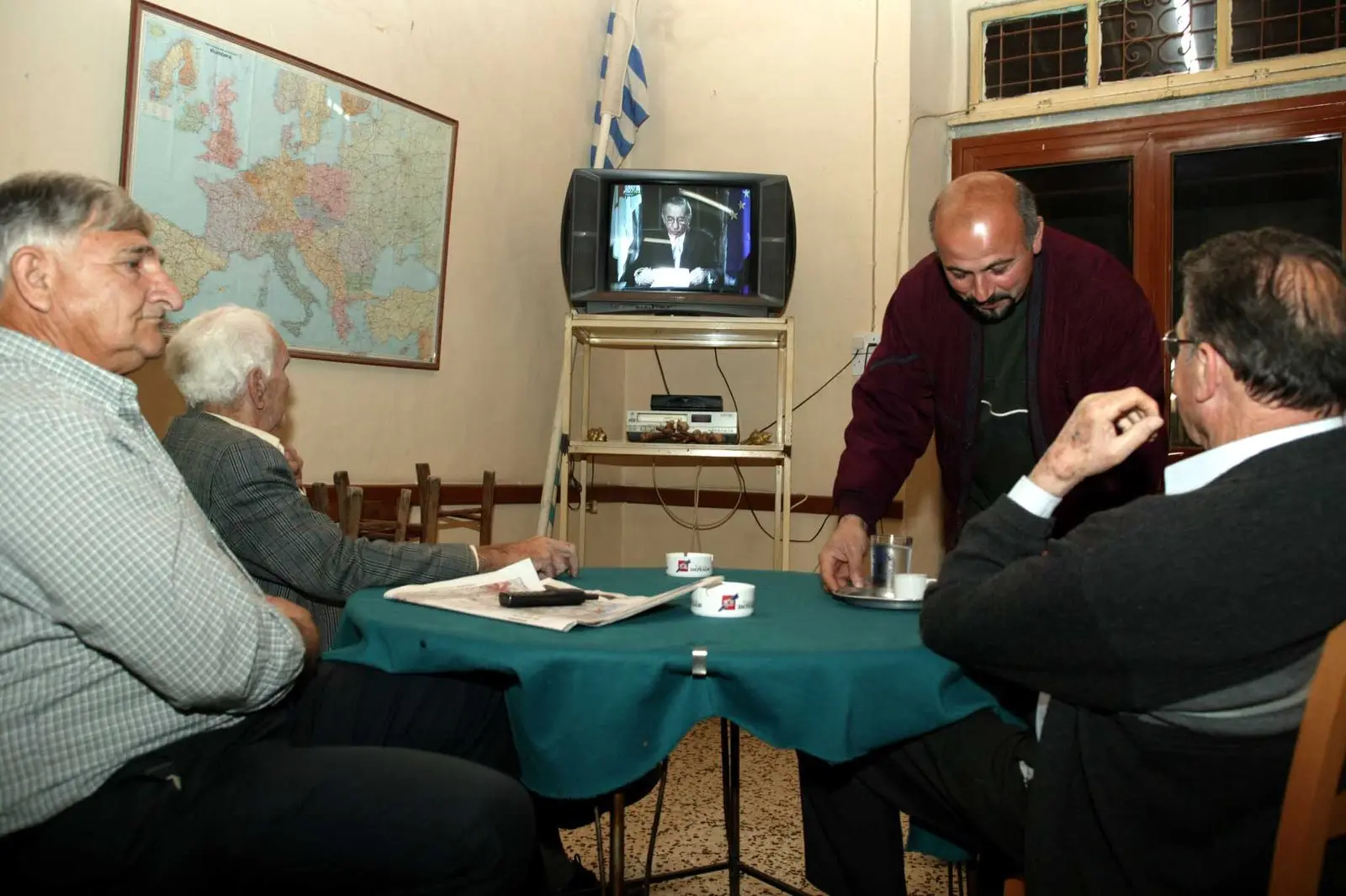
The campaigns did not split along predictable lines. President Tassos Papadopoulos urged a no vote in a televised address, and the left wing party AKEL came out against the plan two days before polling. Talat campaigned for yes, while Denktaş, still president in the north, campaigned for no. Greek Cypriot opponents objected to the continued presence of Turkish troops, limits on return and property rights, weak guarantees of implementation and the right of settlers from Turkey to remain and to vote. Many Turkish Cypriots voted yes hoping to end their isolation, even though some found the plan unfavourable.
Papadopoulos said Greek Cypriots had rejected this particular plan, not a solution. Talat said Turkish Cypriots could no longer be called intransigent. A week later the Republic of Cyprus joined the EU with the island still divided.