How Cyprus came to be divided
Since 1974 the island has been split in two, with a UN buffer zone running through its capital. This is the history behind that line, from the first farming villages to the talks still going on today, with both communities' views set side by side.
- North
- Turkish Republic of Northern Cyprus, recognised only by Turkey
- South
- Republic of Cyprus, the internationally recognised state and an EU member
- Green Line
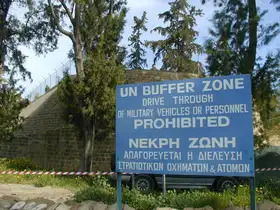
- UN buffer zone, about 180 km long, patrolled since 1974
- Bases
- Akrotiri and Dhekelia, British Sovereign Base Areas
- 1974
- Year the island was divided
- 1964
- UN peacekeepers on the island since
- 9
- Crossing points open on the Green Line
- About 2,000
- Missing persons cases from both communities
Timeline
66 moments in the island's history. Select any event to read the full story, why it mattered and where the facts come from.
Show earlier history, 9000 BCE to 1570Hide earlier history
Ancient Cyprus
9000 to 334 BCE
Farming villages, copper mines and city kingdoms, with the island paying tribute to whichever empire was strongest.
c. 9000 to 5200 BCE
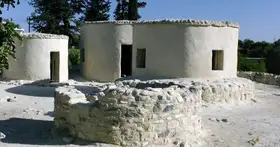
First Neolithic Settlements
Farmers from the Levant settle Cyprus around 9000 BCE. Villages such as Khirokitia show a settled farming society thousands of years before pottery.
c. 2400 to 1100 BCE
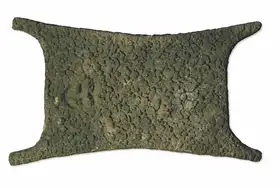
Bronze Age Copper Trade
Copper from the Troodos mountains makes Bronze Age Cyprus a major Mediterranean supplier. The Latin word for copper comes from the island's name.
c. 1200 BCE
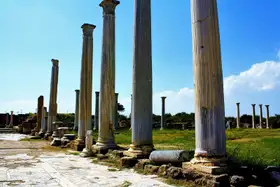
Greek Mycenaean Settlement
As Bronze Age Greece collapses, Mycenaean Greeks settle in Cyprus, bringing the Greek language and founding kingdoms such as Salamis.
709 BCE
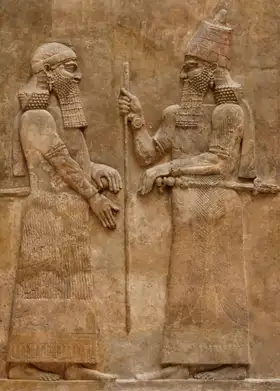
Assyrian Overlordship
Cypriot kings submit to Sargon II of Assyria around 709 to 707 BCE. Assyria takes tribute and loyalty but never governs the island directly.
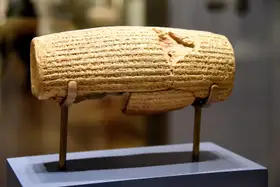
c. 545 to 525 BCE
Persian Rule Begins
After a spell under Egypt, the Cypriot kingdoms accept Persian rule in the 6th century BCE, keeping their kings but owing tribute, ships and men.
Hellenistic and Roman
333 BCE to 329 CE
Alexander, the Ptolemies and then Rome. Christianity arrives with Paul and Barnabas.
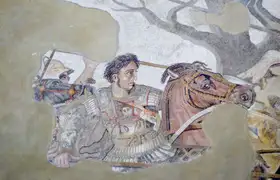
333 to 332 BCE
Cyprus Joins Alexander the Great
After Alexander defeats Persia at Issus, the Cypriot kings switch sides and send about 120 warships to help him besiege Tyre in 332 BCE.
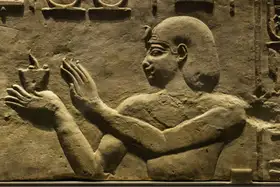
294 BCE
Ptolemaic Egypt Takes Control
After years of war among Alexander's successors, Ptolemy I secures Cyprus in 294 BCE. Egypt rules the island for over two centuries.
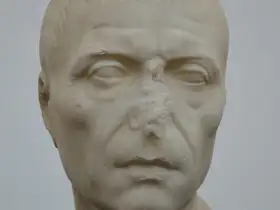
58 BCE
Roman Annexation
A Roman law of 58 BCE annexes Cyprus from its last Ptolemaic king. Cato the Younger is sent to take over the island and its treasury.
45 to 47 CE
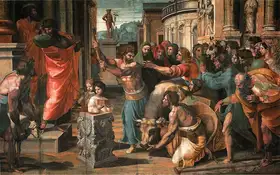
Paul and Barnabas in Cyprus
The apostles Paul and Barnabas cross Cyprus from Salamis to Paphos, where Acts says the Roman governor Sergius Paulus came to believe.
Byzantine
330 to 1190
Seven centuries as part of the Eastern Roman Empire, interrupted by Arab raids and a long shared rule.
330 CE
The Byzantine Era Begins
Already Roman since 58 BCE, Cyprus falls under the new eastern capital of Constantinople and rebuilds Salamis as Constantia, its Christian capital.
488 CE
Church of Cyprus Gains Autocephaly
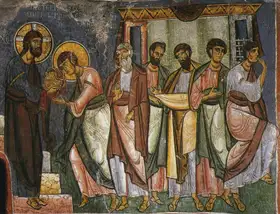
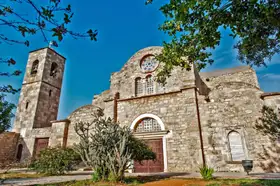
After relics of Saint Barnabas are found, Emperor Zeno confirms the Church of Cyprus as independent of Antioch and grants its archbishop imperial honours.
649 CE
First Arab Raids
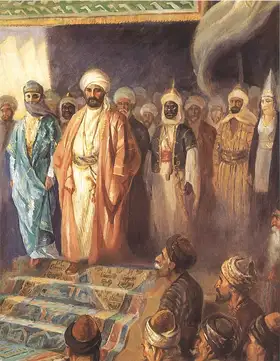
A new Arab fleet under Muawiya sacks Constantia, opening three centuries in which Cyprus was raided and its revenues shared by Byzantium and the Caliphate.
965 CE
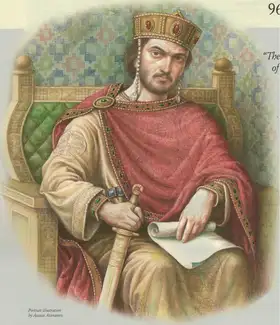
Byzantine Recovery Under Nicephorus Phocas
Under Emperor Nicephorus II Phocas, Byzantine forces led by Niketas Chalkoutzes retake Cyprus, ending three centuries of shared rule with the Caliphate.
Crusader and Venetian
1191 to 1570
Richard the Lionheart, the Lusignan kings and finally Venice, which fortified Nicosia and Famagusta.
6 May 1191
Richard the Lionheart Conquers Cyprus
On his way to the Third Crusade, Richard I of England seizes Cyprus from its breakaway ruler Isaac Komnenos and marries Berengaria in Limassol.
1192
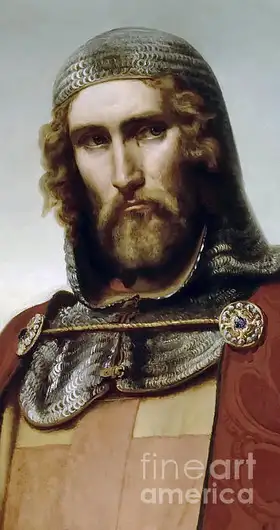
Lusignan Dynasty Established
After a Cypriot revolt against the Templars, Guy de Lusignan, former King of Jerusalem, takes Cyprus and founds a dynasty that rules for three centuries.
1197
Cyprus Becomes a Kingdom
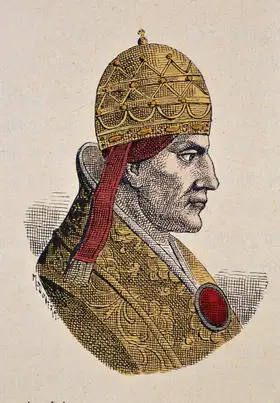
Aimery de Lusignan is crowned King of Cyprus in Nicosia under the Holy Roman Emperor, after Pope Celestine III sets up a Latin Church on the island.
1291
Fall of Acre: Cyprus Becomes the Crusader Base
The Mamluk capture of Acre ends the crusader states on the mainland. Refugees, merchants and military orders move to Cyprus, and Famagusta booms.
1372 to 1464
Genoese Occupation of Famagusta
A coronation riot in Famagusta in 1372 leads to a Genoese invasion. Genoa holds the kingdom's richest port for about ninety years, until 1464.
7 July 1426
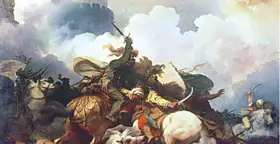
Mamluk Invasion of Cyprus
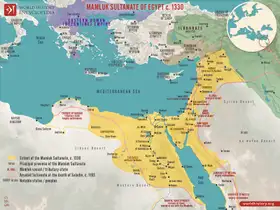
A Mamluk army from Egypt defeats King Janus at Khirokitia, captures him and sacks Nicosia. Cyprus becomes a tributary of the sultan in Cairo.
1473
Caterina Cornaro Becomes Queen
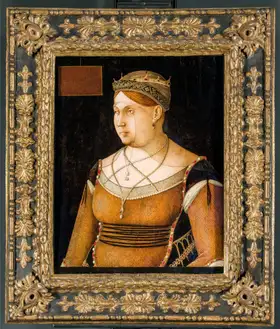
King James II dies months after marrying the Venetian noblewoman Caterina Cornaro. She rules as regent, then queen, with Venice increasingly in control.
26 February 1489
Venetian Annexation
Under pressure from Venice, Queen Caterina Cornaro gives up the crown. Cyprus becomes a Venetian possession, governed for Venice until 1570.
c. 1550 to 1570
Venetian Fortification Programme
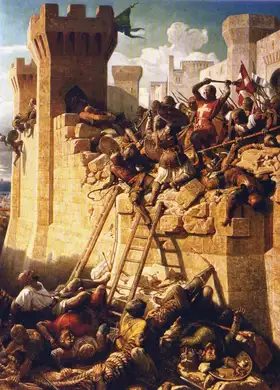
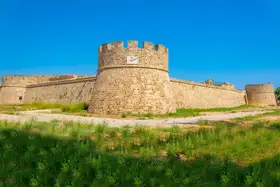
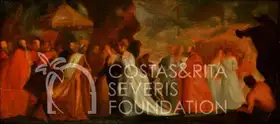
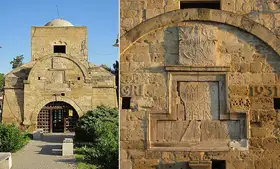
Facing the Ottoman threat, Venice rebuilds the defences of Famagusta and Kyrenia, then encircles Nicosia with new star shaped walls from 1567.
Ottoman rule
1571 to 1877
The Ottoman conquest brings Turkish settlement and the millet system, which shaped the two communities that exist today.
1571
Ottoman Conquest of Cyprus
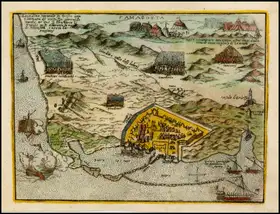
Ottoman forces take Cyprus from Venice, capturing Nicosia in 1570 and Famagusta in August 1571, beginning just over three centuries of Ottoman rule.
1754
Archbishop Recognised as Community Leader
An Ottoman decree names the Orthodox Archbishop and bishops of Cyprus as official representatives of the island's Christians and makes them collect taxes.
9 July 1821
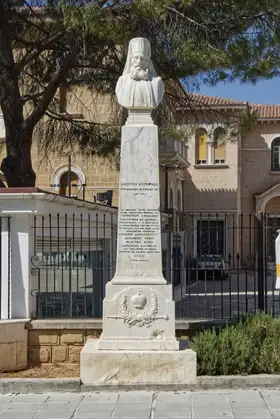
Execution of Archbishop Kyprianos
As revolt spreads in Greece, the Ottoman governor of Cyprus has Archbishop Kyprianos, three bishops and hundreds of leading Greek Cypriots executed.
British rule
1878 to 1959
From administration to annexation to Crown colony, ending in an armed campaign for union with Greece and a Turkish Cypriot response.
4 June 1878
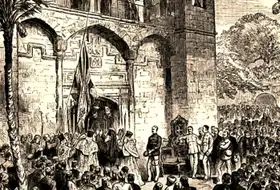
British Occupation Begins
Under the secret Cyprus Convention, the Ottoman Empire hands Britain the running of Cyprus while keeping formal sovereignty. British rule begins that July.
5 November 1914
British Annexation
When the Ottoman Empire joins the First World War on Germany's side, Britain annexes Cyprus outright, ending 36 years of nominal Ottoman sovereignty.
1 May 1925
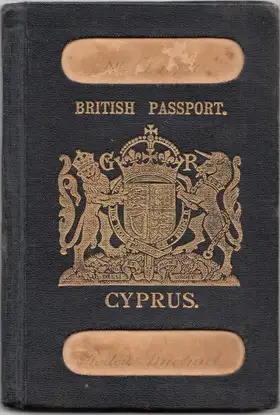
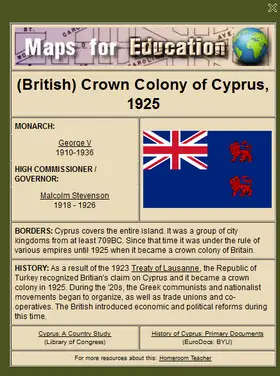
Cyprus Becomes Crown Colony
Two years after Turkey recognised British sovereignty in the Treaty of Lausanne, Britain proclaims Cyprus a Crown colony with a governor at its head.
21 October 1931
October Uprising
A tax dispute and demands for union with Greece bring thousands of Greek Cypriots onto the streets of Nicosia, where Government House is burned down.
1 April 1955
EOKA Campaign Begins
EOKA, an underground group led by George Grivas, sets off bombs across Cyprus, starting an armed campaign to end British rule and unite with Greece.
9 March 1956
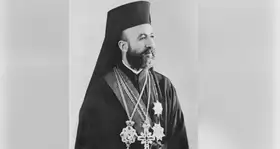
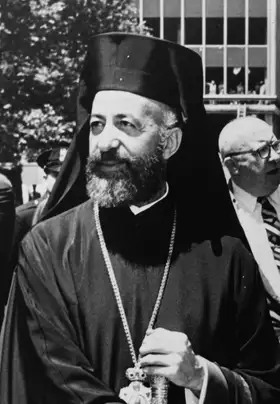
Makarios Exiled
After talks with Governor Harding collapse, British authorities arrest Archbishop Makarios at Nicosia airport and deport him to the Seychelles.
November 1957
Turkish Resistance Organisation (TMT) Founded
Turkish Cypriots form the Turkish Resistance Organisation (TMT), an underground group backed by Turkey, to oppose union with Greece and seek partition.
June to August 1958
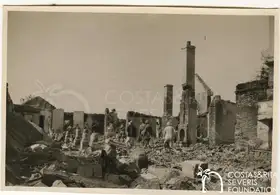
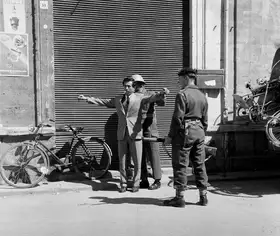
Intercommunal Violence of 1958
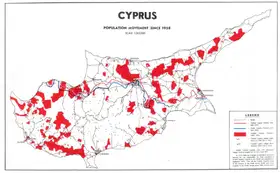
A bomb in Nicosia in June 1958 sets off two months of killings between Greek and Turkish Cypriots, and families begin leaving mixed villages.
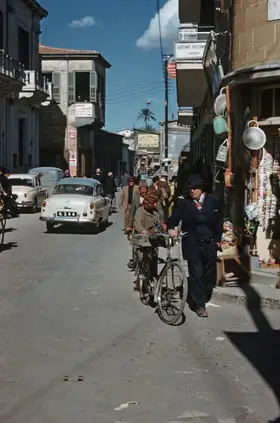
Independence
1959 to 1960
The Zurich and London agreements create a bicommunal republic with Britain, Greece and Turkey as guarantors.
19 February 1959
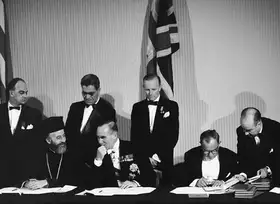
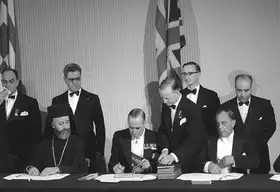
Zurich and London Agreements
Greece and Turkey agree a settlement in Zurich, accepted in London by Britain and both Cypriot leaders: independence, with union and partition ruled out.
1 March 1959
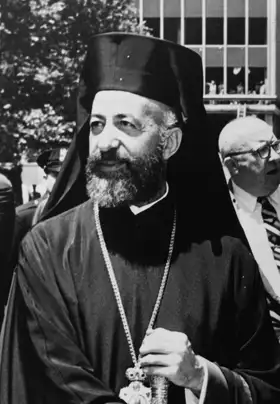
Makarios Returns
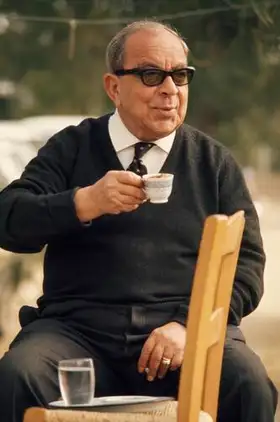
Archbishop Makarios returns to Cyprus after three years away. In December 1959 he is elected first president, with Dr Fazıl Küçük as vice president.
16 August 1960
Cyprus Independence
The Republic of Cyprus is born with a power sharing constitution between Greek and Turkish Cypriots. Britain keeps two sovereign military bases.
Breakdown and 1974
1963 to 1974
The constitution collapses, intercommunal violence follows, and in 1974 a coup and a military intervention divide the island.
30 November 1963
Constitutional Crisis
President Makarios proposes 13 amendments to the 1960 constitution. Turkey rejects them, and within weeks the power sharing state begins to break apart.
21 December 1963
Bloody Christmas
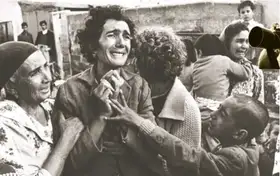
A police stop in Nicosia ends in two deaths and sets off weeks of fighting. Most of the victims are Turkish Cypriots, and about 25,000 are displaced.
4 March 1964
UN Peacekeeping Force Deployed
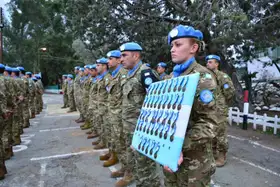
The UN Security Council creates UNFICYP to prevent a recurrence of fighting in Cyprus. Meant to stay three months, the force is still there today.
August 1964
Battle of Kokkina
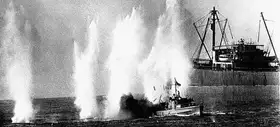
The National Guard attacks the Turkish Cypriot enclave at Kokkina (Erenköy). Turkey responds with air strikes, its first direct military action in Cyprus.
15 November 1967
Kophinou Incident
Fighting at Ayios Theodoros and Kophinou kills more than 20 Turkish Cypriots. Turkey threatens to intervene, and Greece and Turkey edge towards war.
15 July 1974
Greek Military Coup
Backed by the junta in Athens, the National Guard overthrows President Makarios and installs Nikos Sampson. Several hundred people die in the fighting.
20 July 1974
Turkish Military Intervention Begins
Five days after the coup, Turkish forces land west of Kyrenia (Girne). Turkey calls it a peace operation; Greek Cypriots and most states, an invasion.
23 July 1974
Greek Junta Collapses
Discredited by the Cyprus disaster, the military regime in Athens hands power to civilians. Karamanlis returns from exile and Sampson resigns in Nicosia.
25 July to 14 August 1974
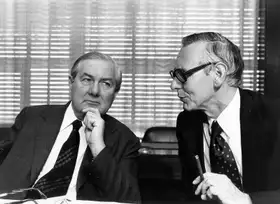
Geneva Conferences
Britain, Greece and Turkey meet in Geneva, joined later by Clerides and Denktaş. Turkish plans for a 34 per cent zone are not accepted and talks collapse.
14 to 16 August 1974
Second Turkish Offensive
Hours after talks in Geneva fail, Turkey resumes its advance. By 16 August its forces hold about 36 per cent of Cyprus, including Famagusta and Morphou.
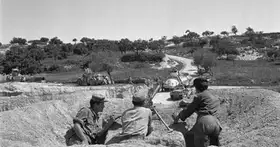
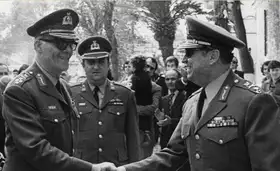
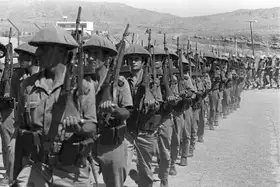
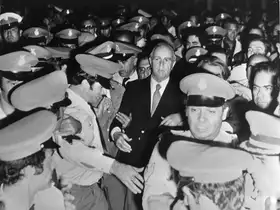
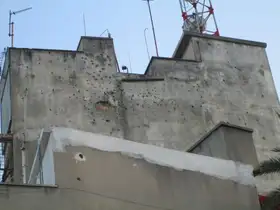
A divided island
1975 to today
Two administrations, a UN buffer zone and five decades of talks that have not yet produced a settlement.
13 February 1975
Turkish Federated State Declared
Rauf Denktaş proclaims the Turkish Federated State of Cyprus in the north, presented as one half of a future federation. No country recognised it.
2 August 1975
Third Vienna Agreement
At UN talks in Vienna, Clerides and Denktaş agree that Turkish Cypriots in the south may move north and that Greek Cypriots in the north are free to stay.
12 February 1977
Makarios and Denktaş High Level Agreement
Makarios and Denktaş agree four guidelines for a settlement, accepting an independent, bicommunal federal republic as the goal of talks.
3 August 1977
Makarios Dies
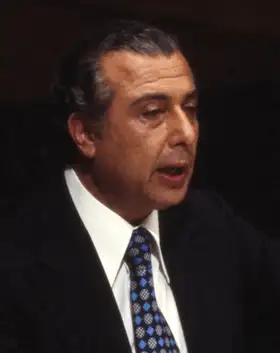
Archbishop Makarios, president since independence, dies at 63. House Speaker Spyros Kyprianou takes over and is confirmed unopposed weeks later.
19 May 1979
Kyprianou and Denktaş Ten Point Agreement
Kyprianou and Denktaş agree ten points to restart talks, reaffirming the 1977 guidelines and giving priority to the resettlement of Varosha.
15 November 1983
TRNC Independence Declaration
Turkish Cypriots declare the Turkish Republic of Northern Cyprus. Turkey recognises it; UN Resolution 541 calls the declaration legally invalid.
3 July 1990
Cyprus Applies for EU Membership
The Republic of Cyprus applies to join the European Community. Turkey and the Turkish Cypriot leadership object that it cannot apply for the whole island.
23 April 2003
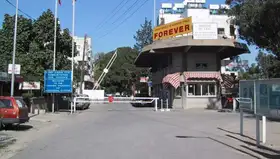
Green Line Crossings Open
Turkish Cypriot authorities open the Ledra Palace crossing in Nicosia, letting Cypriots cross the Green Line freely for the first time since 1974.
24 April 2004
Annan Plan Referendums
In separate votes on the UN reunification plan, 64.91% of Turkish Cypriots vote yes and 75.83% of Greek Cypriots vote no. The plan falls.
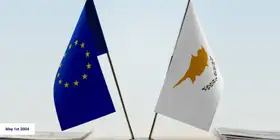
1 May 2004
Cyprus Joins European Union
Cyprus joins the EU as a divided island. The whole island is EU territory, but EU law is suspended in the north under Protocol 10.
21 March 2008
New Reunification Talks Begin
Demetris Christofias and Mehmet Ali Talat agree to restart UN talks, set up working groups and open Ledra Street. Full negotiations follow in September.
11 February 2014
Anastasiades and Eroğlu Joint Declaration
The two Cypriot leaders agree a joint declaration setting out the basis for renewed talks: a federation with one sovereignty and political equality.
June to July 2017
Crans-Montana Conference Fails
The UN conference at Crans-Montana, Switzerland, closes on 7 July 2017 without a deal, split above all over security, guarantees and Turkish troops.
12 November 2018
Deryneia and Lefka Crossings Open
Two new crossing points open at Deryneia and Lefka (Aplıç), the first new crossings across the buffer zone in eight years.
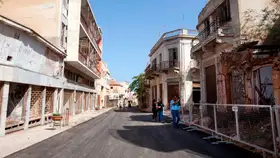
8 October 2020
Varosha Partially Reopened
Turkish Cypriot authorities open part of the Varosha beachfront, fenced off since 1974, to the public. The UN Security Council voices deep concern.
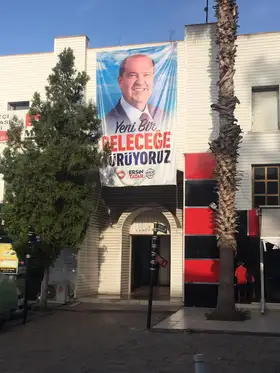
18 October 2020
Ersin Tatar Elected
Ersin Tatar narrowly beats Mustafa Akıncı in the Turkish Cypriot leadership runoff, campaigning for two states rather than a federation.
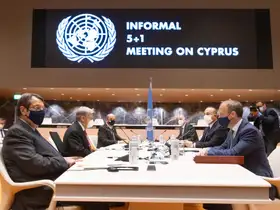
27 to 29 April 2021
UN Geneva Talks
An informal UN meeting in Geneva with both Cypriot sides and the guarantor powers ends without enough common ground to restart formal talks.
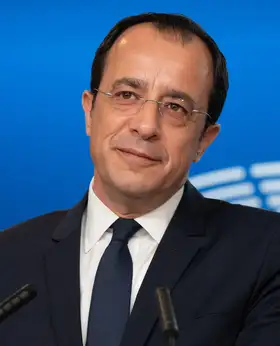
12 February 2023
Nikos Christodoulides Elected
Former foreign minister Nikos Christodoulides wins the Republic of Cyprus presidential runoff against Andreas Mavroyiannis, taking office on 28 February.
20 July 2024
50 Years of Division
On 20 July 2024 Greek Cypriots mourn and Turkish Cypriots celebrate as the island marks 50 years since the Turkish military intervention of 1974.
19 October 2025
Tufan Erhürman Elected
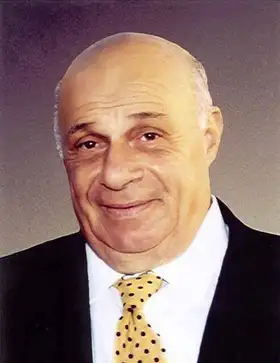
Tufan Erhürman defeats Ersin Tatar with 62.8% of the vote, bringing a Turkish Cypriot leader who backs a return to UN talks on political equality.
The key issues
Six questions sit at the heart of every round of talks. Here is what each is about, and where each community has generally stood.
| Issue | Greek Cypriot position | Turkish Cypriot position |
|---|---|---|
| Governance and power sharingHow a reunited state would be run: a federation with a strong centre, or a looser arrangement between two equal parts. | A single federal state with a strong central government. | Political equality and effective participation in every institution. |
| Security and guaranteesWhether Turkish troops stay on the island and whether the 1960 guarantee system survives. | Withdrawal of all foreign troops and an end to guarantor rights. | Keep security guarantees and a Turkish presence as protection. |
| TerritoryWhere the internal boundary would run, including whether Famagusta and other areas are returned. | Significant territorial adjustments, including the return of Famagusta. | A territory large enough to sustain a viable Turkish Cypriot state. |
| PropertyWhat happens to homes and land left behind in 1974, whether by return, restitution or compensation. | The right of return and full restitution of property. | Practical limits on return, with compensation and exchange. |
| EconomyMerging two economies with different currencies, laws and relationships with the EU. | Full EU integration and a single economic space. | Gradual integration with safeguards for the smaller economy. |
| International statusWho holds sovereignty and how a settled Cyprus, or two states, would be recognised. | A single sovereignty, continuing the existing Republic of Cyprus. | Recognition of the sovereign equality of both sides. |
A divided capital
Nicosia is the last divided capital in Europe. The buffer zone runs through the old walled city, and in places is only a few metres wide.
One of the UN's longest missions
UN peacekeepers have been in Cyprus since 1964, ten years before the division, making it one of the longest running peacekeeping operations in the world.
Decades of talks
Negotiations have come close more than once, most notably with the Annan Plan in 2004 and at Crans-Montana in 2017. Neither produced a settlement.
Cyprus today
The island remains divided along the UN monitored Green Line. The Republic of Cyprus, which controls the south, has been an EU member since 2004. The Turkish Republic of Northern Cyprus is recognised only by Turkey. Crossings between the two sides have been open since 2003, and people now move between them every day.
Recent developments
- 2020Part of the fenced off town of Varosha is reopened to visitors, drawing UN criticism.
- 2021Informal UN talks in Geneva end without agreement, as the Turkish Cypriot side proposes a two state solution.
- 2024Fifty years pass since the events of 1974.
- 2025Informal UN meetings in Geneva and New York agree in principle on new crossing points. In October Tufan Erhürman is elected Turkish Cypriot leader, and he and Nikos Christodoulides begin meeting under UN auspices.
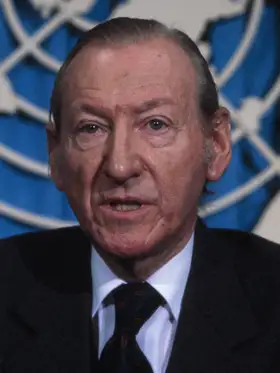
- 2026António Guterres visits the island in July, the first visit by a serving UN Secretary General since 2010. The two leaders agree to meet weekly, though relations cool again in the autumn and no new crossings have yet opened.