1192
Lusignan Dynasty Established
After a Cypriot revolt against the Templars, Guy de Lusignan, former King of Jerusalem, takes Cyprus and founds a dynasty that rules for three centuries.
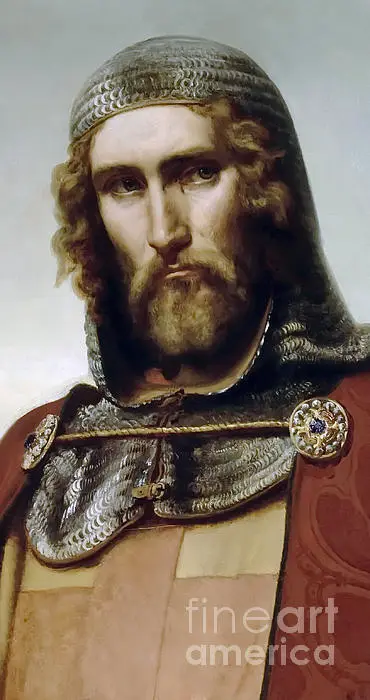
The Knights Templar did not keep Cyprus for long. They had bought the island from Richard I in 1191 for 100,000 bezants, paying 40,000 up front, and governed it with a small force. Their rule was resented. Around Easter 1192 Cypriots rose against them, and the Templars were besieged in Nicosia (Lefkosia, Lefkoşa). They broke out and crushed the revolt, but concluded the island was more trouble than it was worth and asked Richard to take it back.
Richard had a candidate to hand. Guy de Lusignan, a French nobleman, had been King of Jerusalem since 1186 but was forced to give up that title in 1192, after fighting alongside Richard in the Cyprus campaign the year before. With Richard’s approval, Guy bought Cyprus from the Templars and settled on the island in early May 1192.
Guy did not call himself king. He ruled as Lord of Cyprus and set about building a power base, inviting knights and settlers from the crusader states on the mainland and granting them estates. He died in 1194 without heirs. His brother Aimery succeeded him and obtained the royal title, being crowned King of Cyprus in Nicosia in 1197.
The state the Lusignans built followed Western feudal models. A Latin Catholic nobility held the land and the main offices, and French became the language of the court. Most of the population were Greek Orthodox, and many rural Cypriots were serfs or tenants bound to the new lords’ estates.
The dynasty lasted until 1489, through crusades, plague, war with Genoa and invasion by the Mamluks of Egypt. Its legacy is mixed: Lusignan rule brought Gothic cathedrals, trade and international standing, but also centuries in which the island’s Orthodox majority were ruled by a foreign Catholic elite.