45 to 47 CE
Paul and Barnabas in Cyprus
The apostles Paul and Barnabas cross Cyprus from Salamis to Paphos, where Acts says the Roman governor Sergius Paulus came to believe.
Christianity reached Cyprus before the famous mission. The Acts of the Apostles says that believers scattered from Jerusalem after the death of Stephen travelled as far as Phoenicia, Cyprus and Antioch, preaching at first only to Jews. Some men of Cyprus went on to Antioch and began preaching to Greek speakers there too. One of the leading figures in the young church at Antioch was Joseph, a Levite from Cyprus, whom the apostles called Barnabas.
Barnabas had brought Paul (also called Saul) from Tarsus to work with him in Antioch. Acts says the Antioch church then sent the two of them out on what became Paul’s first missionary journey, usually dated to the mid 40s CE, with John Mark as their helper. They sailed from Seleucia to Salamis, on the east coast of Cyprus, and preached in the synagogues there. Then they travelled the length of the island to Paphos, the Roman capital.
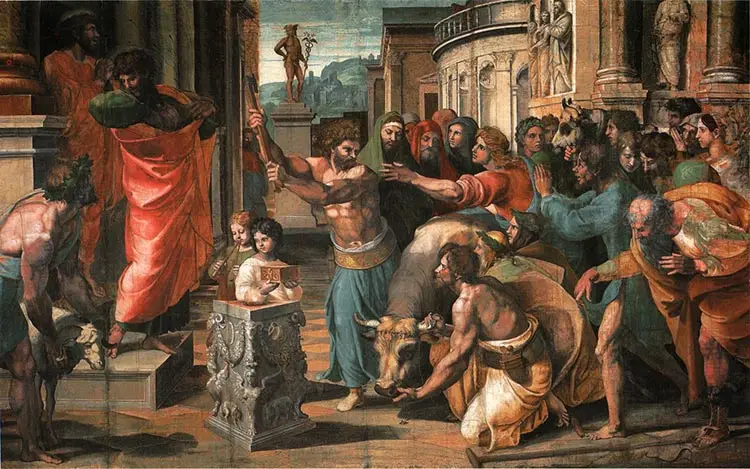
At Paphos they were invited to speak to the proconsul, Sergius Paulus, who wanted to hear their message. A man named Bar Jesus, or Elymas, whom Acts calls a Jewish magician and false prophet, tried to turn the governor against them. Acts describes Paul declaring that Elymas would be struck blind for a time, which then happened. It ends the episode with the words “When the proconsul saw what had happened, he believed, for he was astonished at the teaching about the Lord.” Church tradition counts this as the first recorded conversion of a Roman provincial governor. From Paphos the missionaries sailed on to Perga, in southern Asia Minor.
A few years later Paul and Barnabas fell out, and Barnabas returned to Cyprus with Mark. How and when he died is unknown, though a 5th century text says he was martyred and buried on the island. In the late 5th century a tomb near Salamis was identified as his.
Barnabas’s role as founder mattered for centuries. In 431 CE the Council of Ephesus confirmed that the Church of Cyprus was self governing and rejected Antioch’s claim to appoint its bishops. The Emperor Zeno later gave its archbishop special privileges, including signing in red ink and carrying an imperial sceptre in place of a bishop’s staff.